Context
India's automotive market is large, competitive, and highly sensitive to policy, pricing, and supply chain realities. This project focused on one question: if Ford were evaluating India entry or re-entry options, what is the most defensible path based on risk, demand signals, and unit economics.
Problem
Market entry decisions fail when the team cannot align on assumptions. Data sits in silos, risks are discussed vaguely, and financial models change every time a stakeholder asks a new question. The real problem was not lack of analysis. It was lack of an integrated decision system.
Users & Insights
I built for decision makers who need clarity fast: leadership, strategy stakeholders, and anyone who has to defend a recommendation. The key insight was that stakeholders do not need more charts. They need a clean story that connects market conditions to financial outcomes and makes tradeoffs visible.
Goals & Metrics
Primary goal: Recommend a market entry path that is defensible across risk, demand, and financial viability.
Secondary goal: Make the decision easy to communicate through a dashboard and scenario model.
Success looked like: clear comparison of options, transparent assumptions, and a narrative stakeholders could repeat.
Options Considered
Option A: Full Scale Entry
Highest upside, highest capital and operational complexity.
Option B: Phased Entry
Start with a narrower segment or geography, validate demand, then expand.
Option C: Partnership First
Reduce risk by leveraging existing distribution or manufacturing relationships, trade off speed and control.
Decision & Prioritization
I prioritized the option that balanced risk exposure with the ability to learn quickly. The recommendation was based on PESTEL risk signals, market demand indicators from the SQL analysis, and scenario sensitivity in the financial model. The decision logic was simple: choose the path with the strongest downside protection while preserving a credible upside case.
Execution & Delivery
I delivered the work in four parts:
- 1. PESTEL risk scan
- 2. SQL analysis to extract market signals
- 3. Financial model in Excel to stress test scenarios
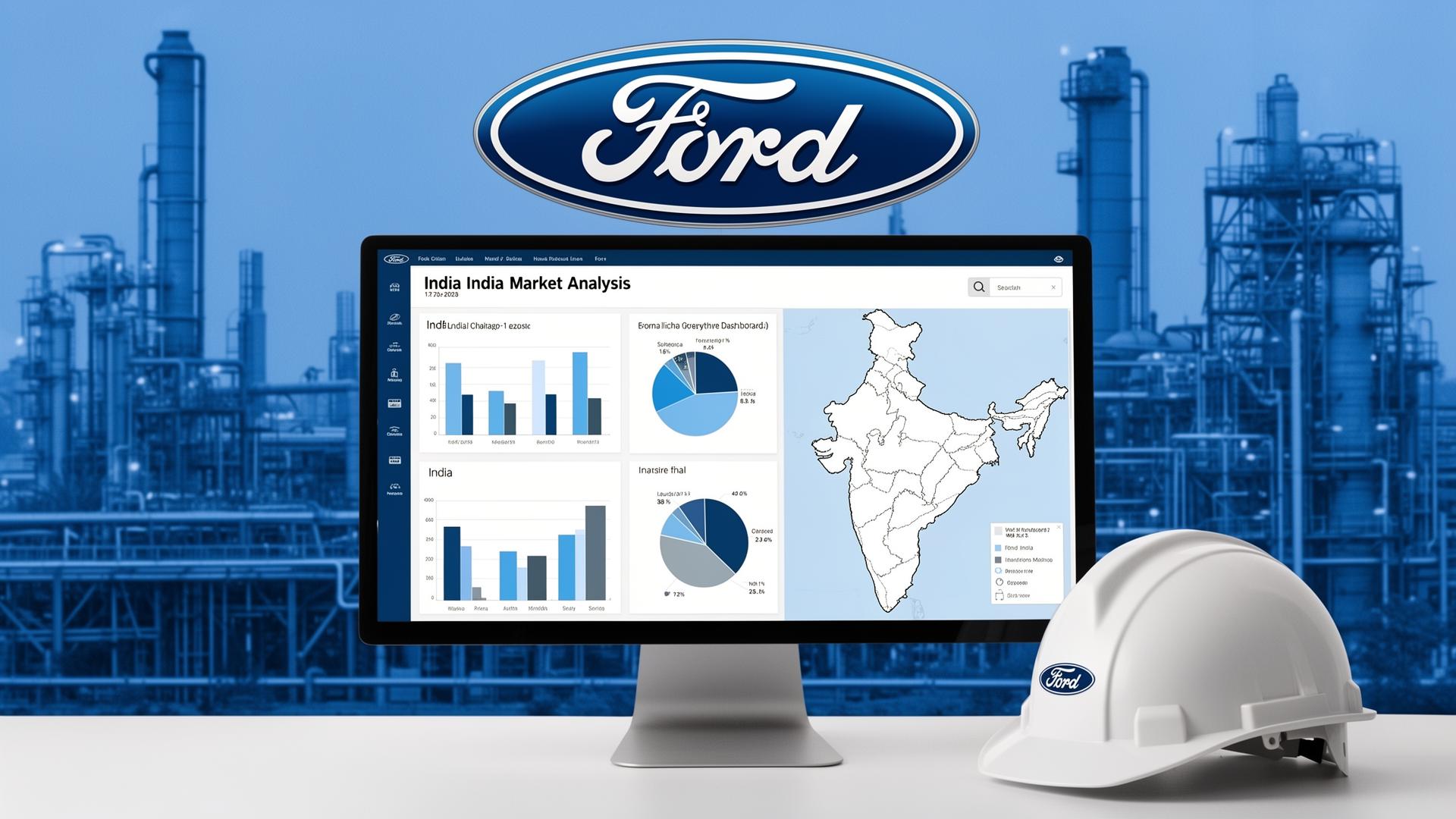
- 4. Tableau dashboards to communicate the story and make tradeoffs visible
Results
Delivered a structured market entry recommendation supported by a scenario-based financial model, Tableau dashboards, and a clear tradeoff narrative across risk, feasibility, and upside.
Learnings
- • Decision work is a product problem - unclear assumptions create churn.
- • Dashboards work when they tell a story, not when they just show data.
- • The fastest way to align stakeholders is to make tradeoffs explicit.
Artifacts
PESTEL risk summary, SQL analysis, Excel scenario model, Tableau dashboard, final recommendation narrative.